A natural basin that has supplied Istanbul with water and food since the Ancient Roman period; a place of vital importance for the city.
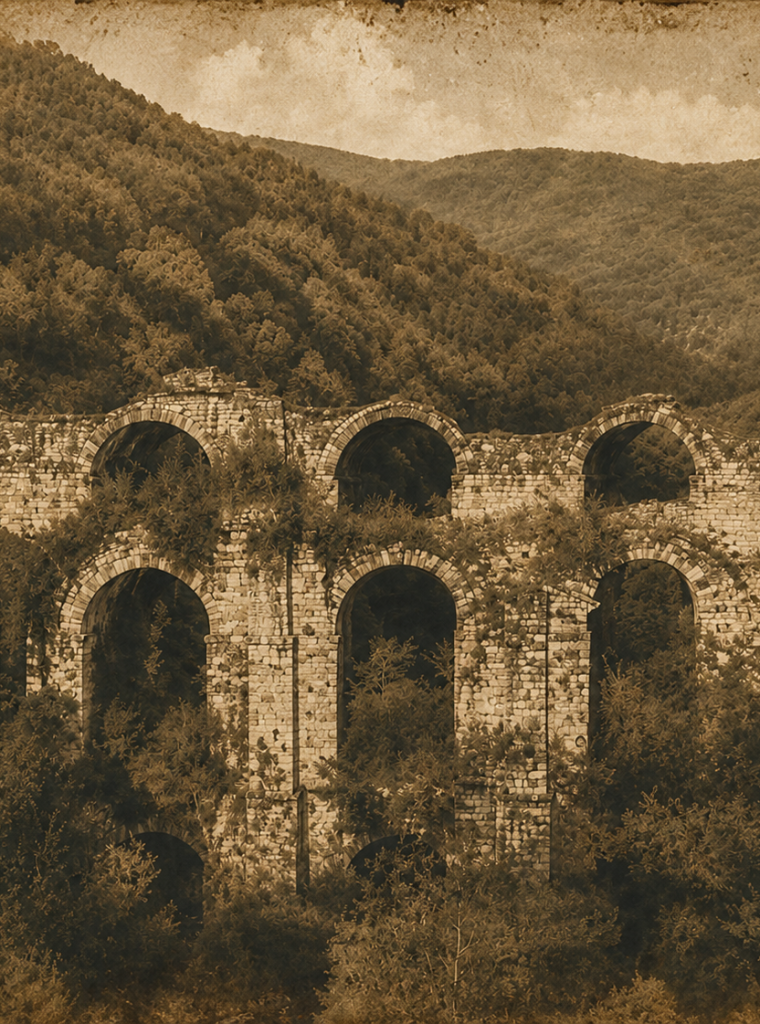
In 373 AD, as Istanbul’s need for water grew, the Roman Empire built a great water system along the Çatalca–Istranca line to carry water to the city. The structure seen in the background is the remains of the approximately 1,600-year-old Kurşunlugerme Aqueduct, which carried Çatalca’s water to the heart of Istanbul for centuries.
This water tradition inherited from Rome gained a new meaning during the Ottoman period. The fertile and green lands of Çatalca became one of the hunting, resting, and summer retreat areas of statesmen and members of the palace circle. Over time, the region developed, came to life, and its population grew.
According to the accounts of Evliya Çelebi, 17th-century Çatalca was remembered as “a town with vineyards, gardens, and life-giving waters,” where “life-giving waters flow from seventy places.”
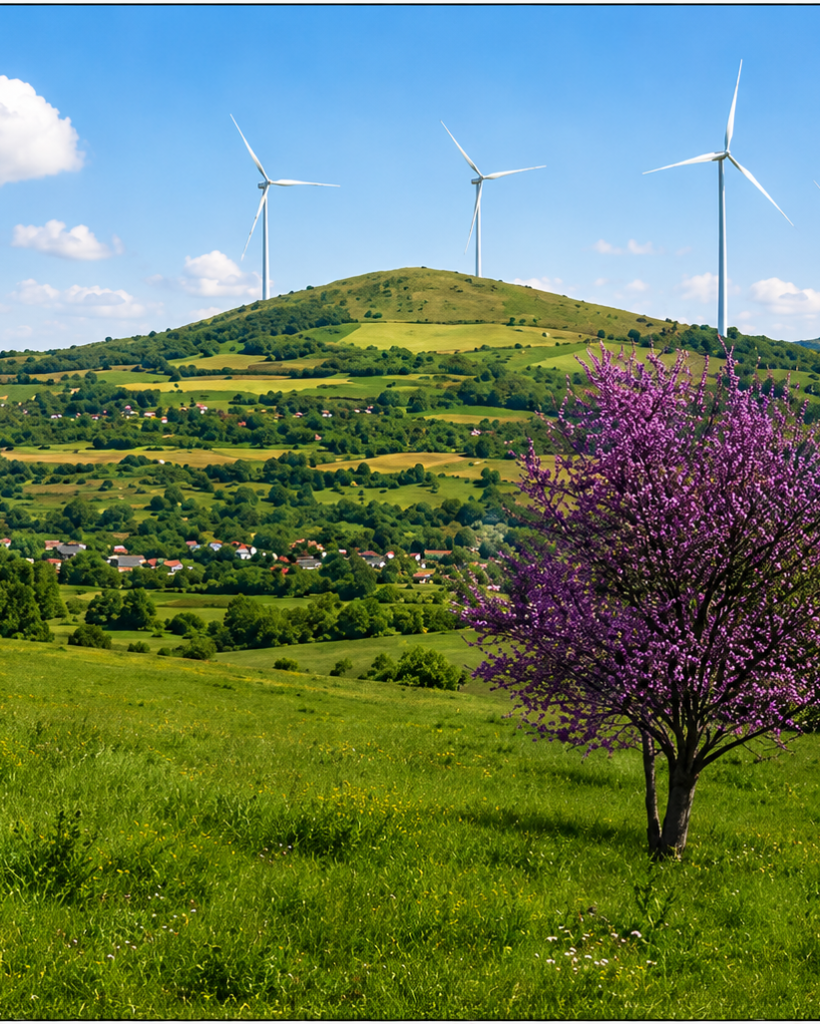
Today, Çatalca remains one of the first places people turn to when they wish to leave Istanbul behind and return to nature. Close to the city, yet just as distant from it; a peaceful, fertile, and beautiful place where time flows differently, adorned with Judas trees.
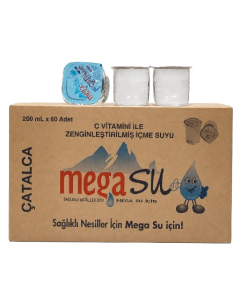
And today, as a humble shadow of that old story carrying water and life from the nature of Çatalca to Istanbul, we continue to provide water to the city.